
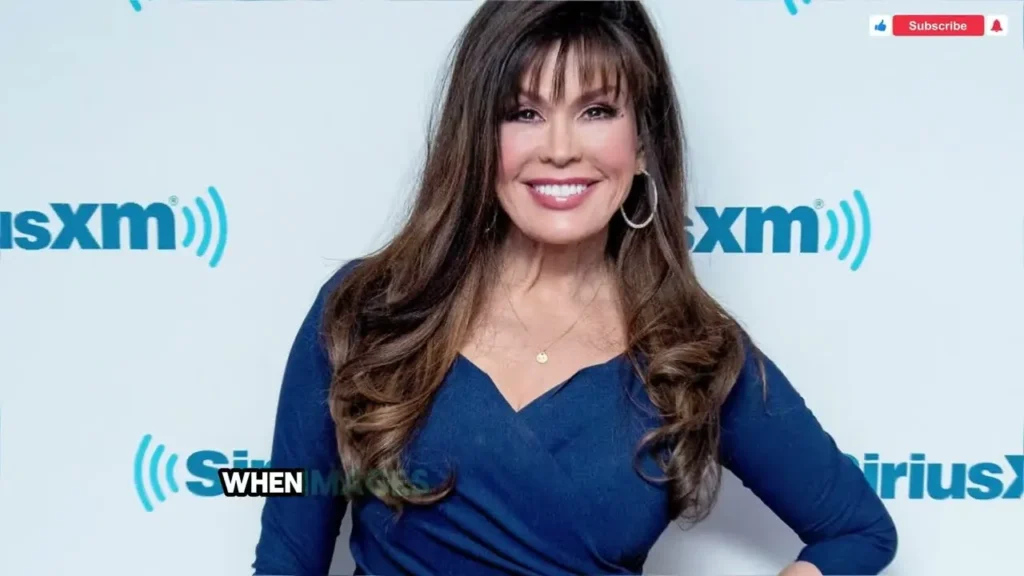
When images of Marie Osmond began circulating online, the reaction was swift and curious, not because she was chasing relevance, but because she is a long-established figure whose career spans generations and whose public image was shaped by a more controlled, family-oriented era of entertainment.
As culture and conversations around identity evolve, these photos landed in a very different media landscape, prompting reactions that ranged from surprise to praise for her confidence and reminders that it’s outdated to expect women to remain frozen in one image forever. The discussion quickly moved beyond the pictures themselves to a broader question about why society is still startled when women redefine themselves later in life, especially since Marie has long spoken openly about growth, resilience, and the reality behind polished public personas. Rather than sparking backlash, the moment passed calmly, becoming a quiet but telling example of how audiences increasingly respond to legacy figures with acceptance instead of judgment. In the end, the images were less about exposure and more about evolution, reinforcing Marie Osmond’s place in ongoing conversations about autonomy, confidence, and the freedom to exist beyond expectation.
