
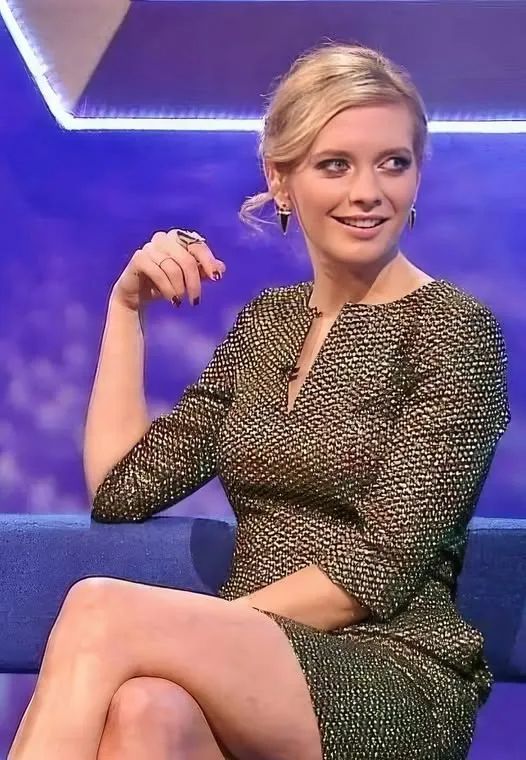
Stop right there, because headlines like this are designed to mess with your mind. Phrases such as “jaw-dropping” or “huge size” sound dramatic on purpose—they’re meant to trigger quick clicks, not tell the truth.
The reality is that when a famous woman like Rachel Riley is photographed doing something completely normal—walking outside, going on holiday, wearing fitted clothes, or simply caught at an unflattering angle—the internet rushes to label her body as if it were a headline-worthy event. That language isn’t neutral or harmless; it’s crafted to provoke emotion, spark arguments, and drive engagement. Photos don’t have to be fake to be misleading—camera lenses, lighting, timing, and posture can all distort reality, yet online culture still pushes the idea that there’s only one “acceptable” body at all times.
